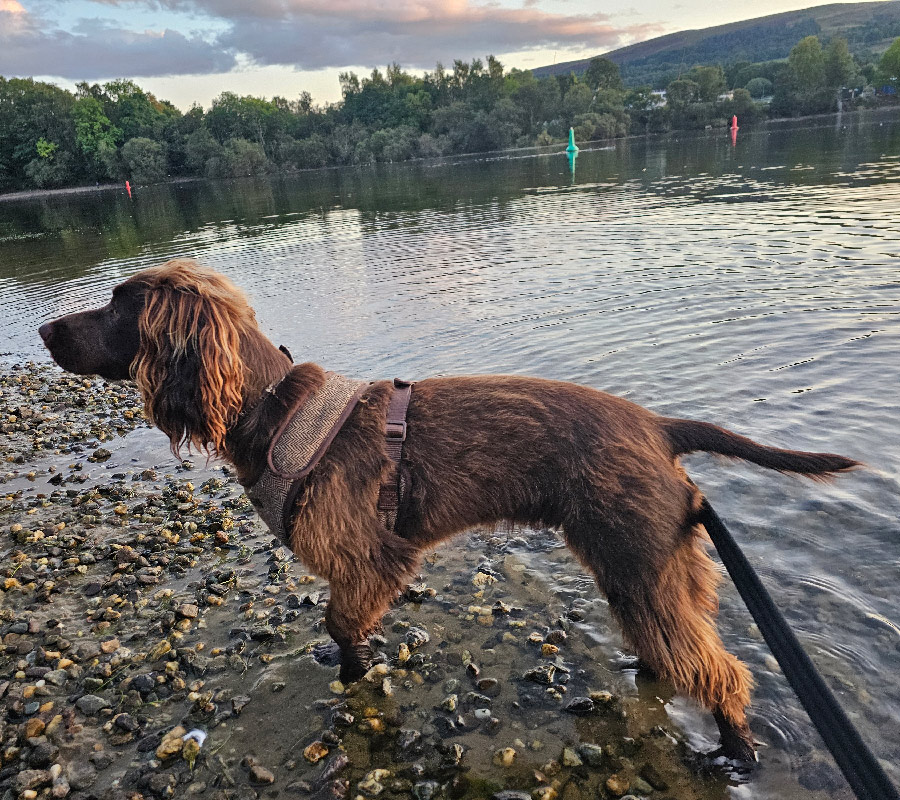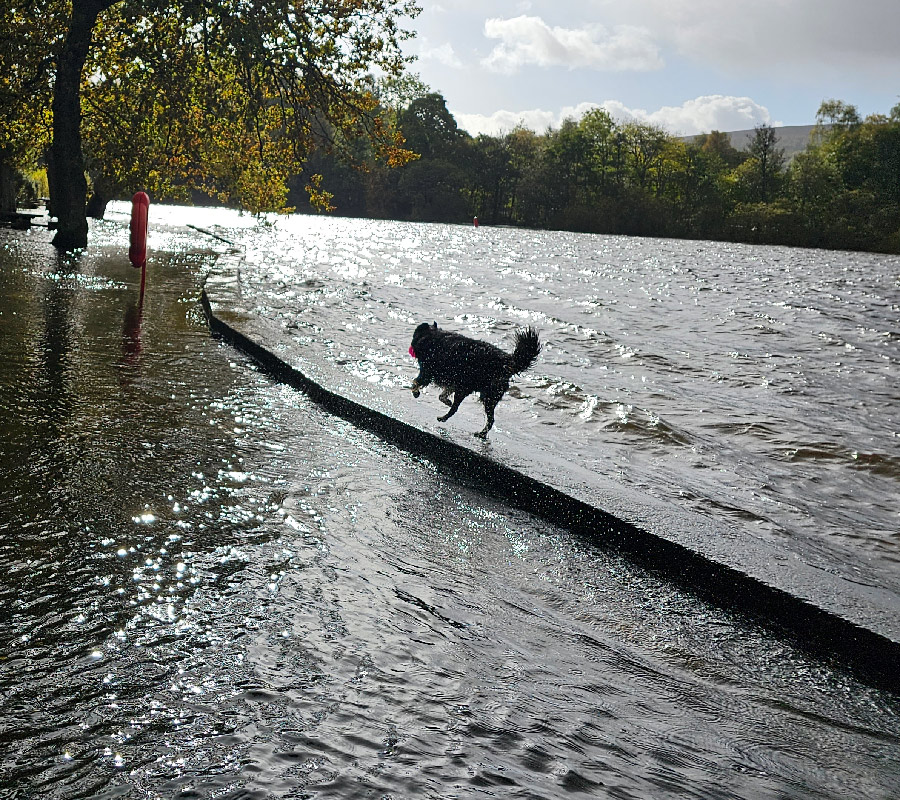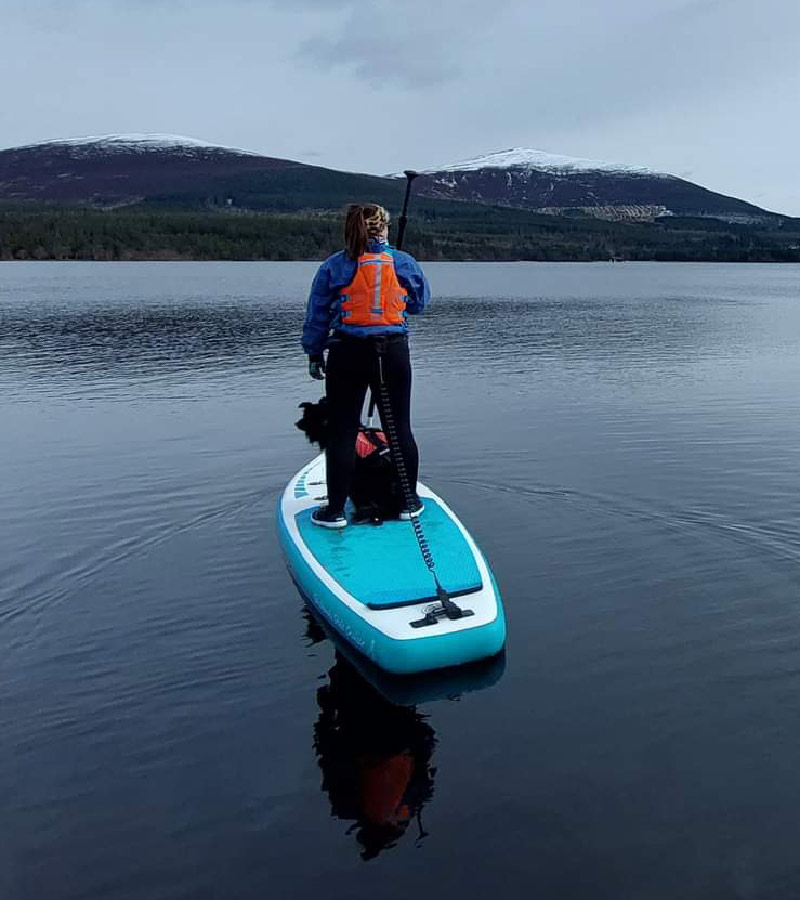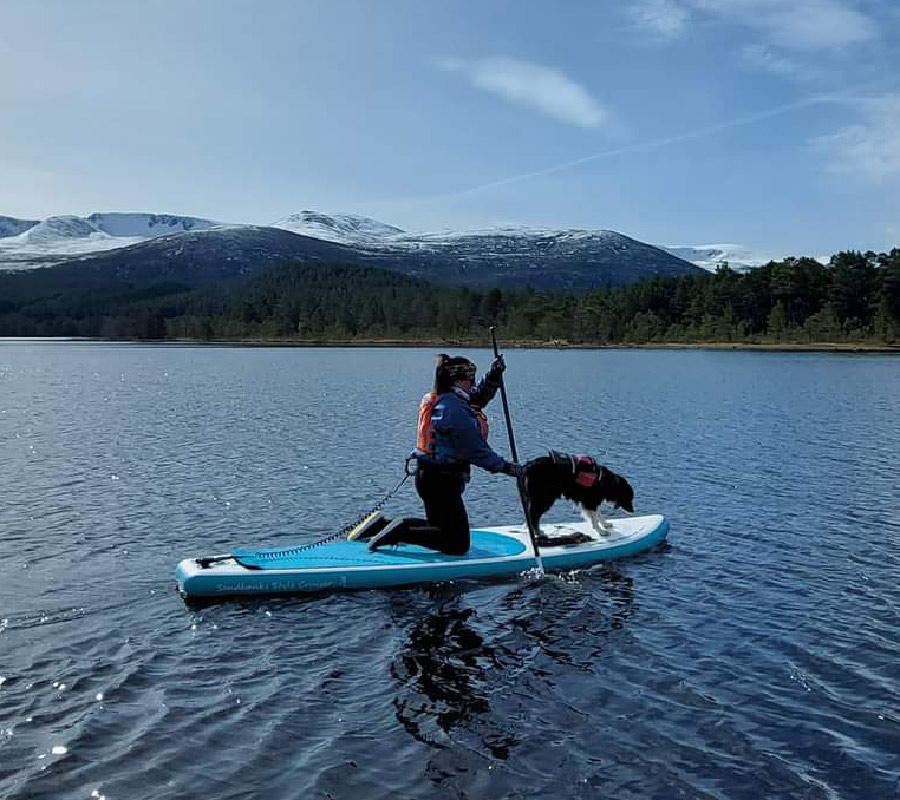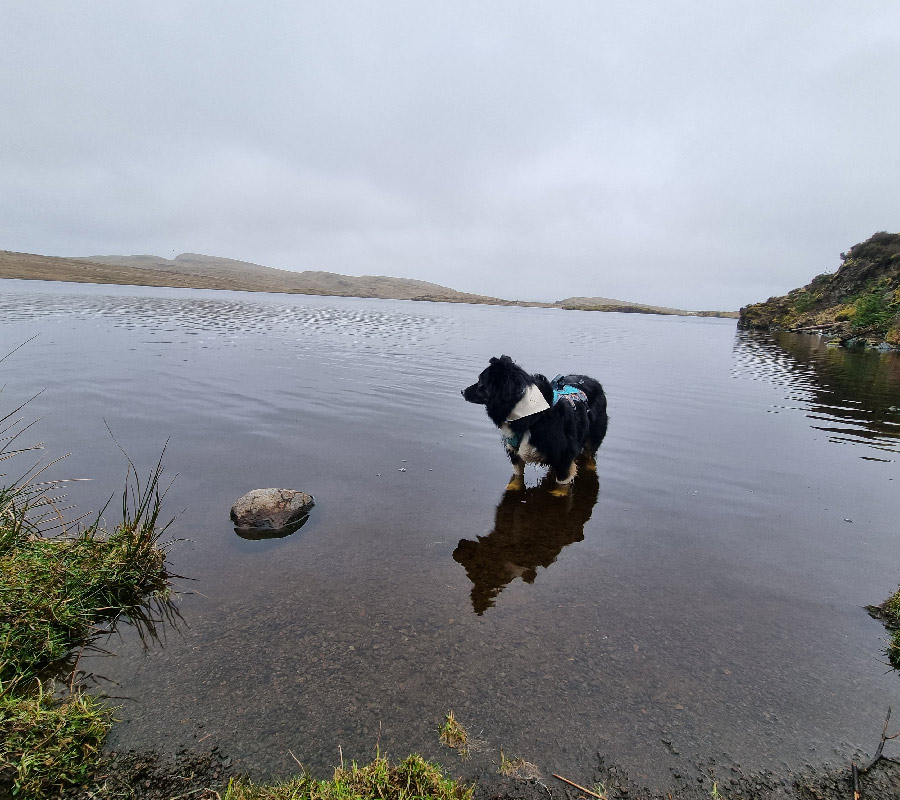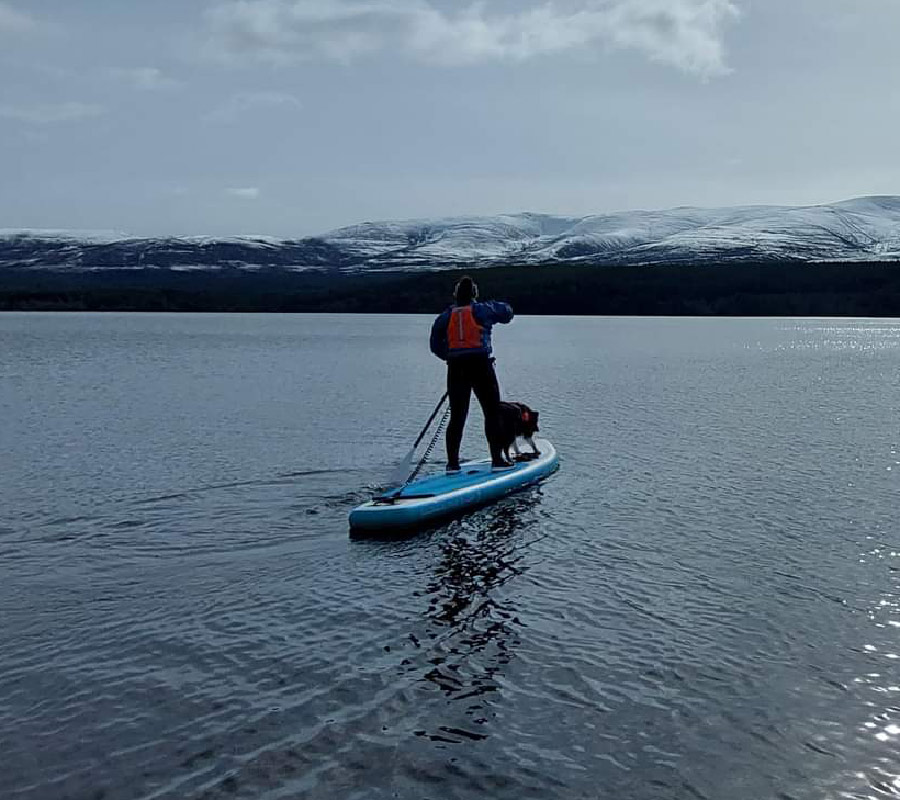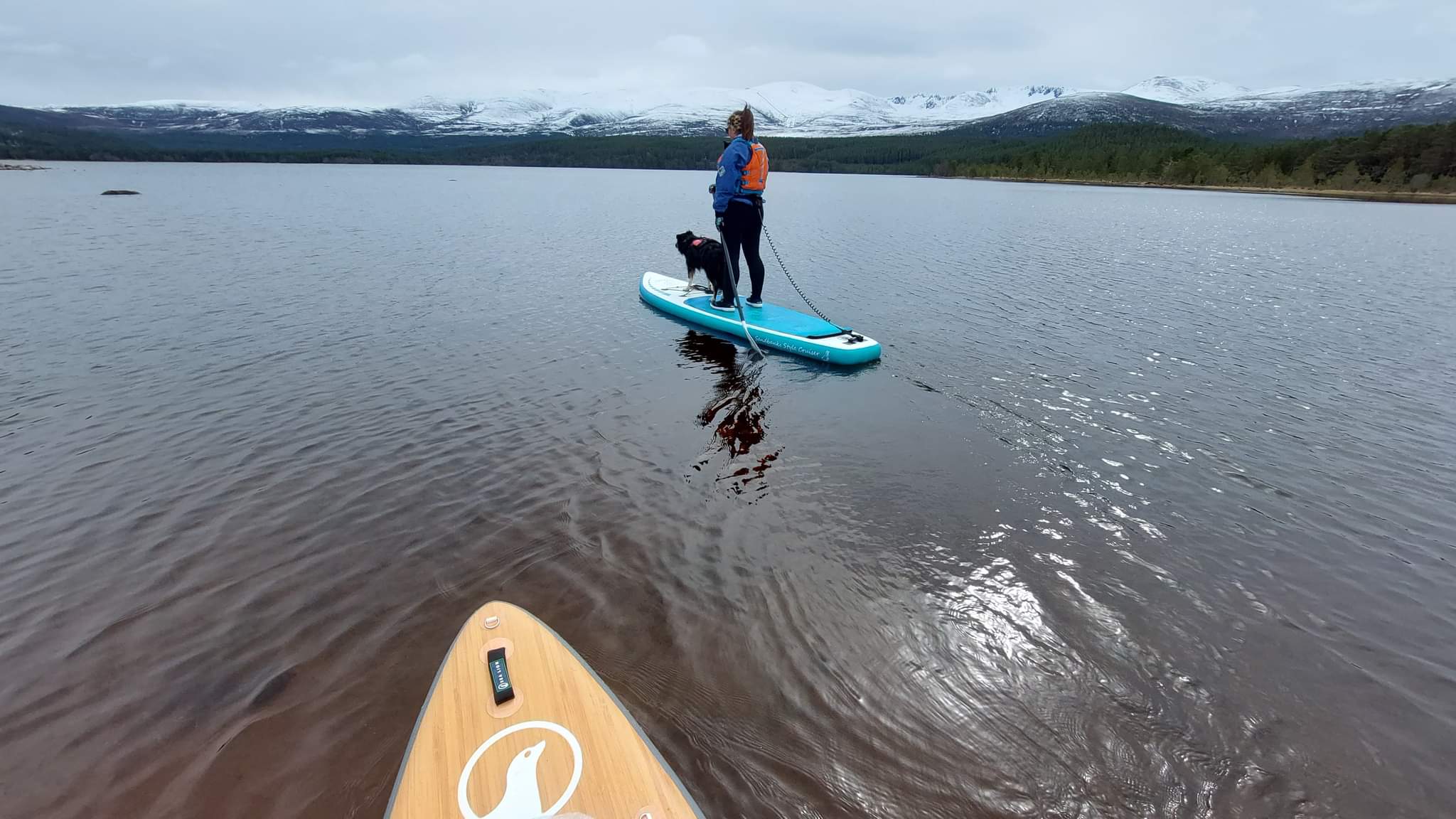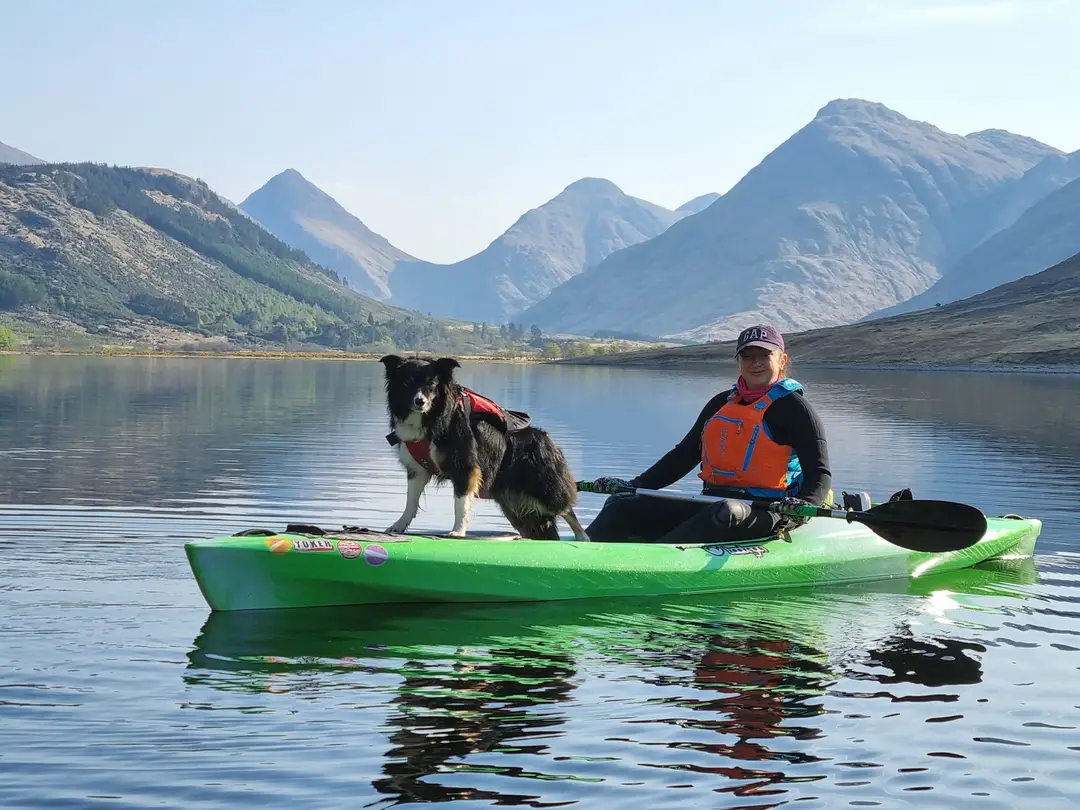
Combining paddling with a night under the stars is, to my mind, Scotland at its absolute finest. A quiet loch, the light going gold, and your best friend curled up beside you while the water settles flat. Camping with your dog after a day on the water is the kind of adventure that turns a good dog into a genuine partner.
It does take more planning than a day trip, though. More kit, more variables, and a dog who needs to settle somewhere unfamiliar overnight.
Here’s how I’d approach it.
Scotland’s access rights are wonderfully generous compared to much of the UK, and the Scottish Outdoor Access Code allows responsible wild camping on most unenclosed land. That word “responsible” is doing a lot of work, though. Small tents, a night or two at most, well away from roads and buildings, and absolutely everything carried back out with you.
Do check local bylaws before you set off, because some areas operate seasonal camping management zones where a permit is required. These rules change, so look them up fresh each season rather than relying on what a mate told you two years ago.
A note on dogs specifically: keep your dog under close control near livestock and ground-nesting birds, particularly through spring and early summer. Bag and carry out their waste too. We’re all guests out there, and dog owners get noticed.
Please don’t make your dog’s first ever night in a tent also their first big paddle. That’s an enormous amount of new experience in one go, and it’s a lot to ask.
Get the tent out in the garden or the living room first. Let your dog investigate it, feed them in it, have a nap in it. Make canvas boring before you make it remote. Do the same with the paddling: build up through short day trips before you commit to a night out.
If you’re still working on those foundations, our one to one training sessions are a good place to get them solid.
Your dog needs their own kit list, and it’s longer than people expect:
That lead is for the shore and the campsite. It never goes on your dog while you’re on the water.
Loading a board or boat for an overnight changes how it handles. There’s more weight, less deck space for your dog to settle on, and a higher centre of gravity. Do a practice pack at home and a short shakedown paddle before you commit to a proper trip, because discovering your kit doesn’t fit while standing on a shoreline in the rain is nobody’s idea of fun.
Keep dry bags genuinely dry bags, and pack your dog’s towel and coat somewhere you can reach without unloading everything. Everything else stays the same as any day on the water: buoyancy aid on you, mandatory under Scottish loch bylaws and sensible everywhere else, buoyancy aid on your dog, and short legs between stops.
Run through the R.A.F.T. framework before you launch, exactly as you would on a day trip.
Scottish nights get cold even in July, and a dog who’s been swimming starts from a chilly baseline. Dry your dog thoroughly before bed and get them off the cold ground. Watch for shivering or unusual lethargy, because a dog can seem perfectly warm while they’re moving about, then drop once they settle down for the night.
Think about midges too, because in summer they are not a joke. And keep your dog close and settled overnight. Unfamiliar surroundings, deer moving about, odd noises across the water, it all adds up to a dog who might wander if given the chance.
The conditions and treatment thinking in the REACT framework applies just as much at camp as it does afloat.
My honest advice is to make your first trip almost embarrassingly easy. One night, close to the car, somewhere sheltered and familiar. Get a win on the board. The big remote expeditions will still be there next season, and they’ll be far more enjoyable with a dog who already knows the routine.
Camping with your dog alongside a paddling adventure is a brilliant way to build the bond between you. If you’d like help getting your pup ready for bigger trips, have a look at our one to one training sessions or get in touch and we’ll plan something around you both.