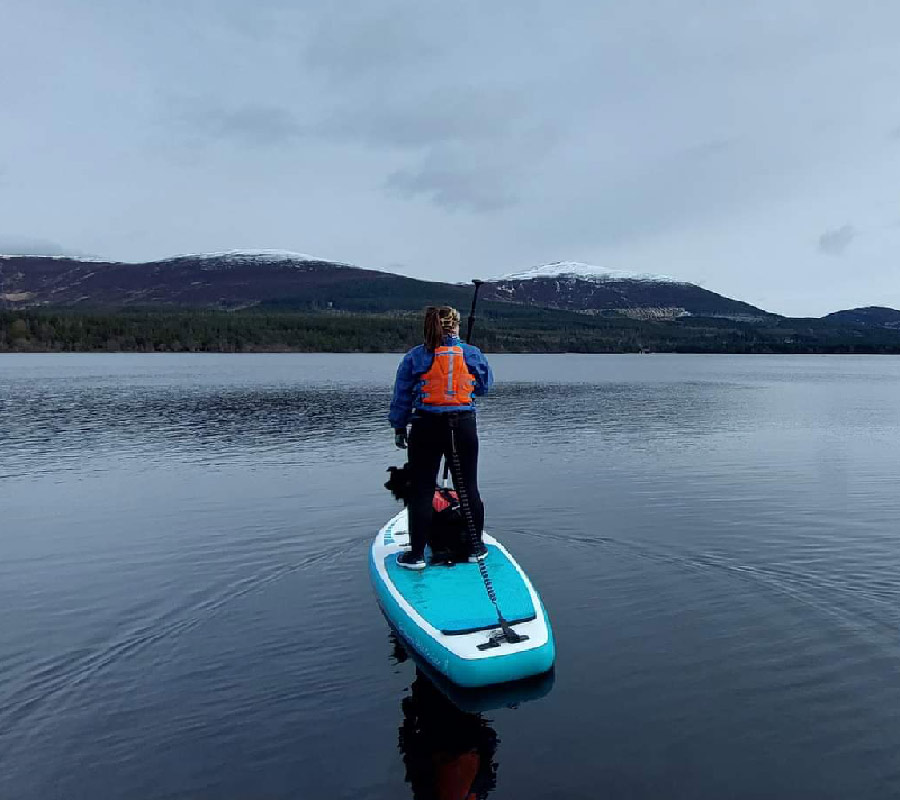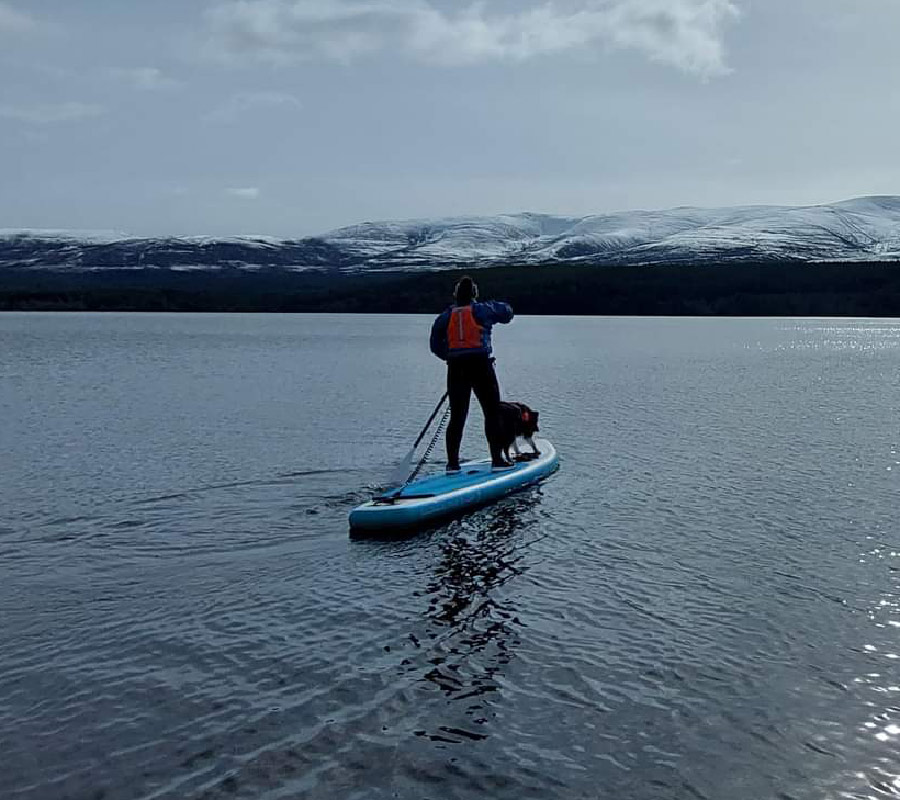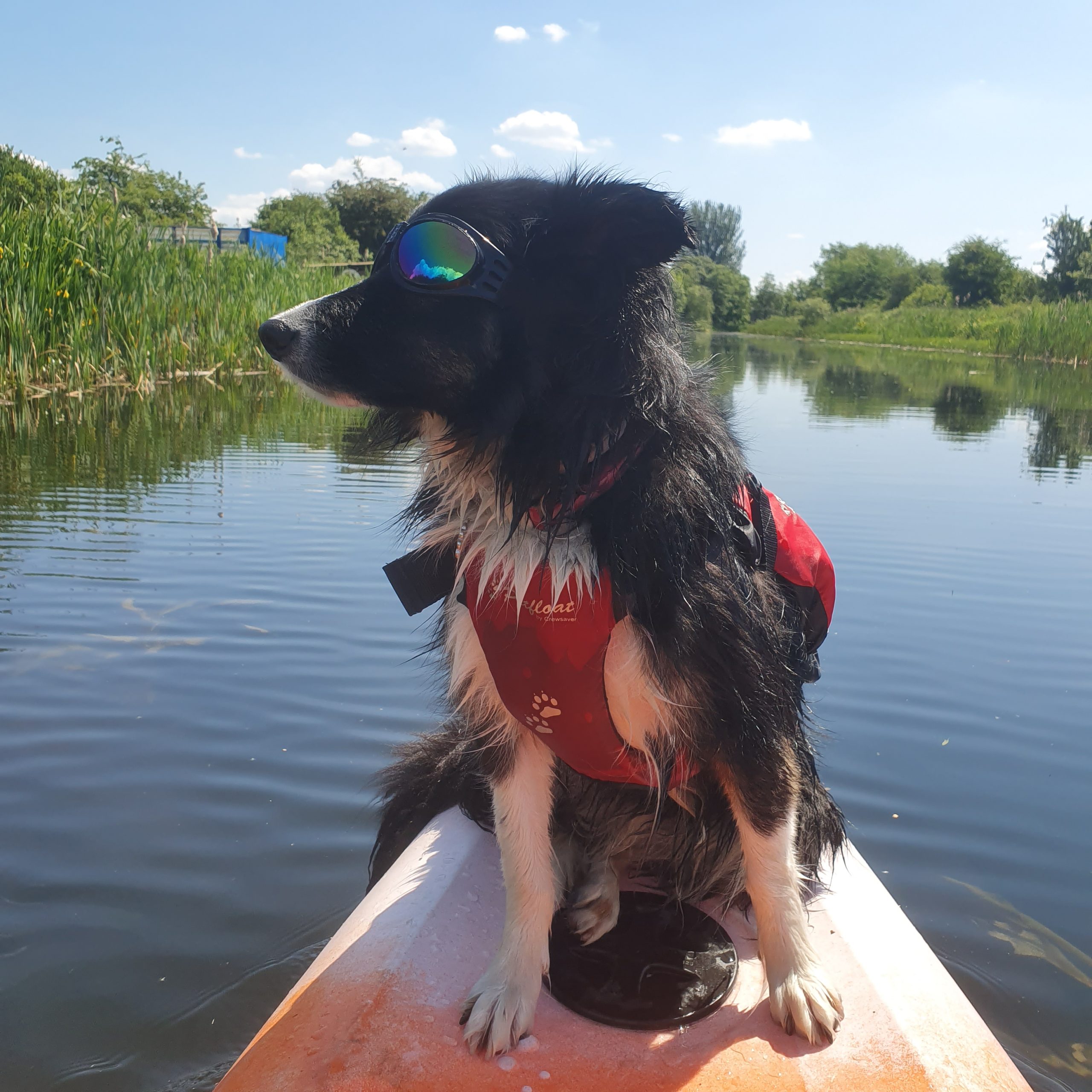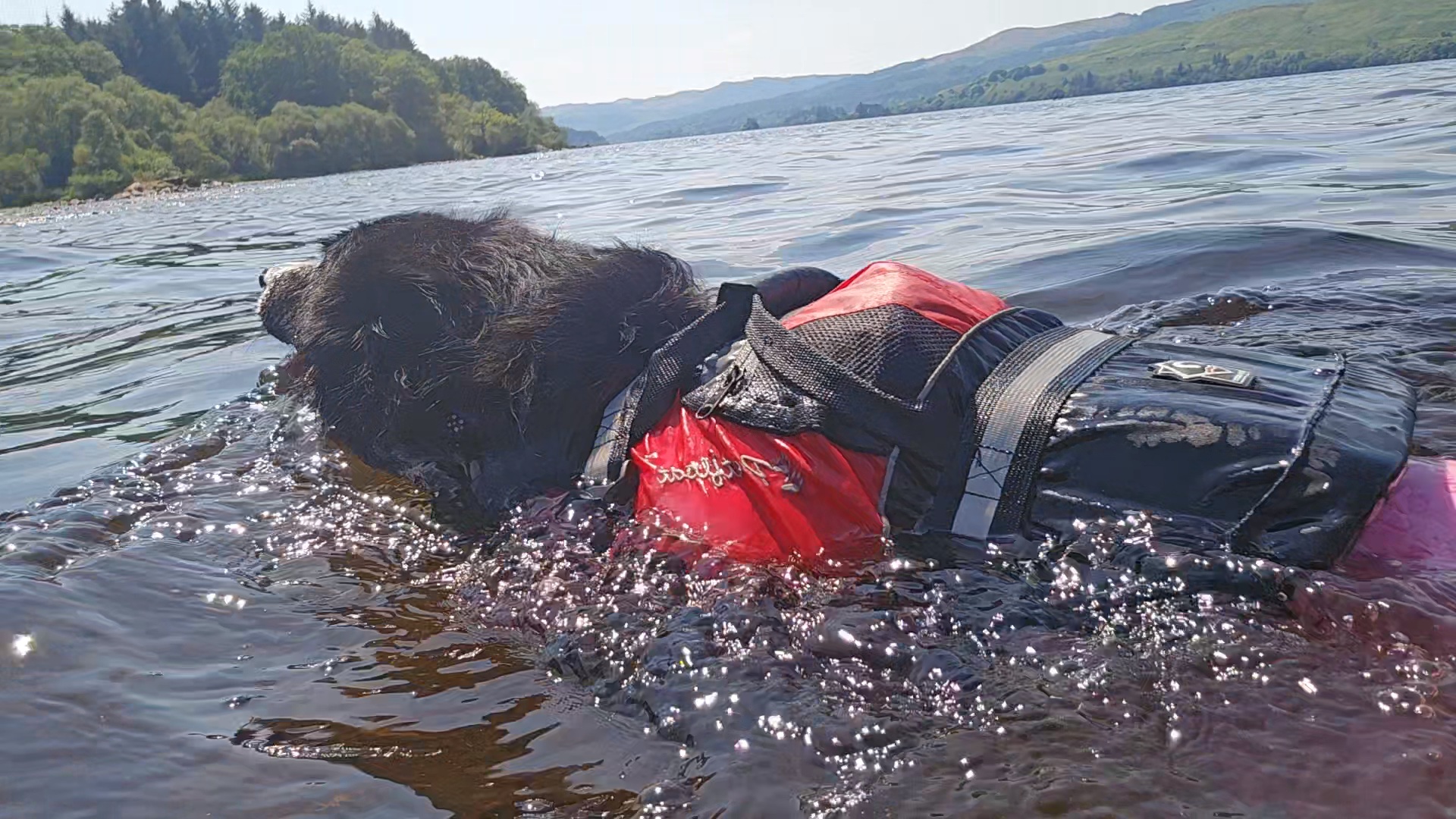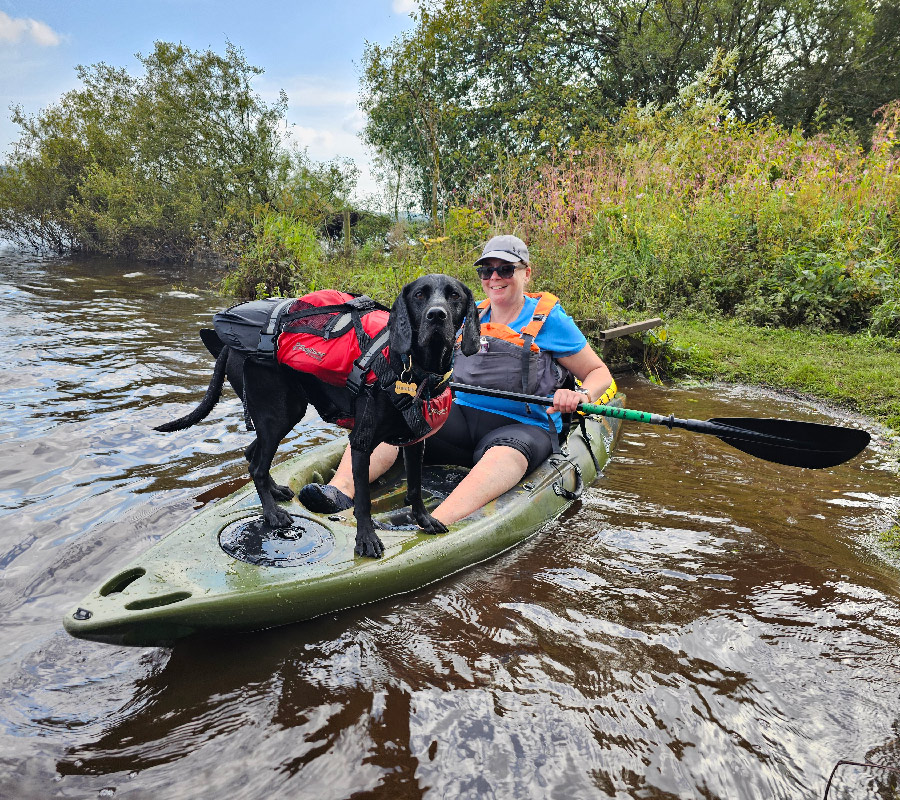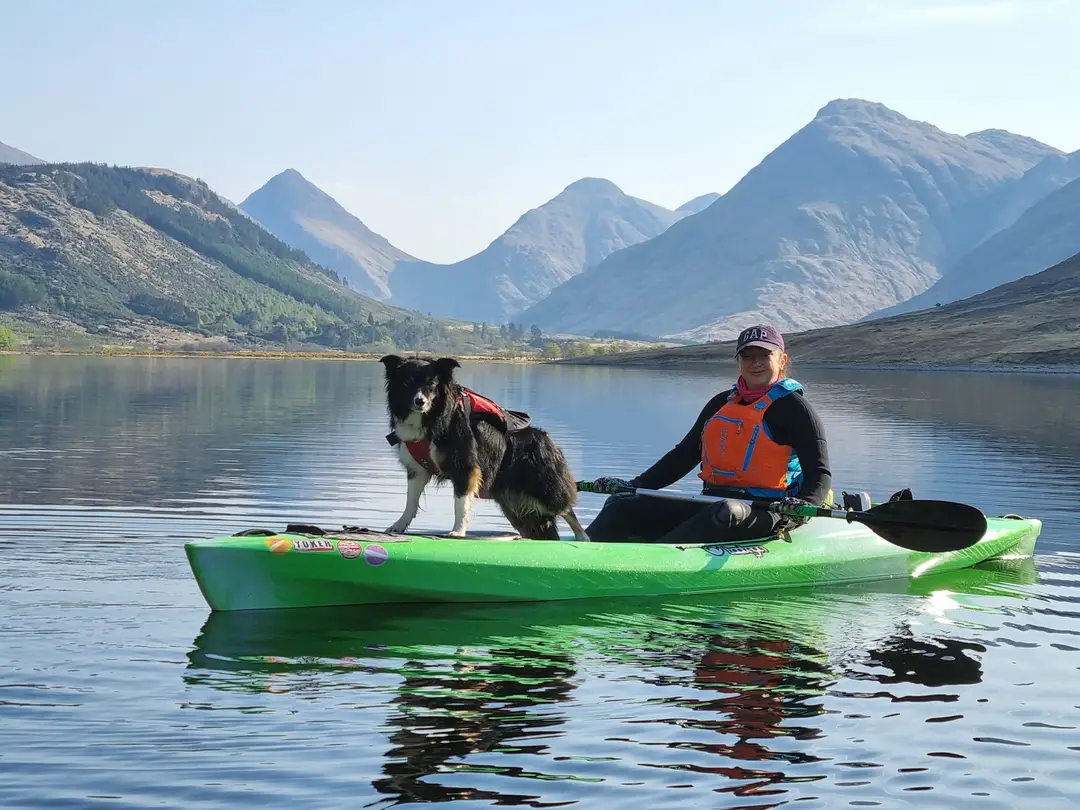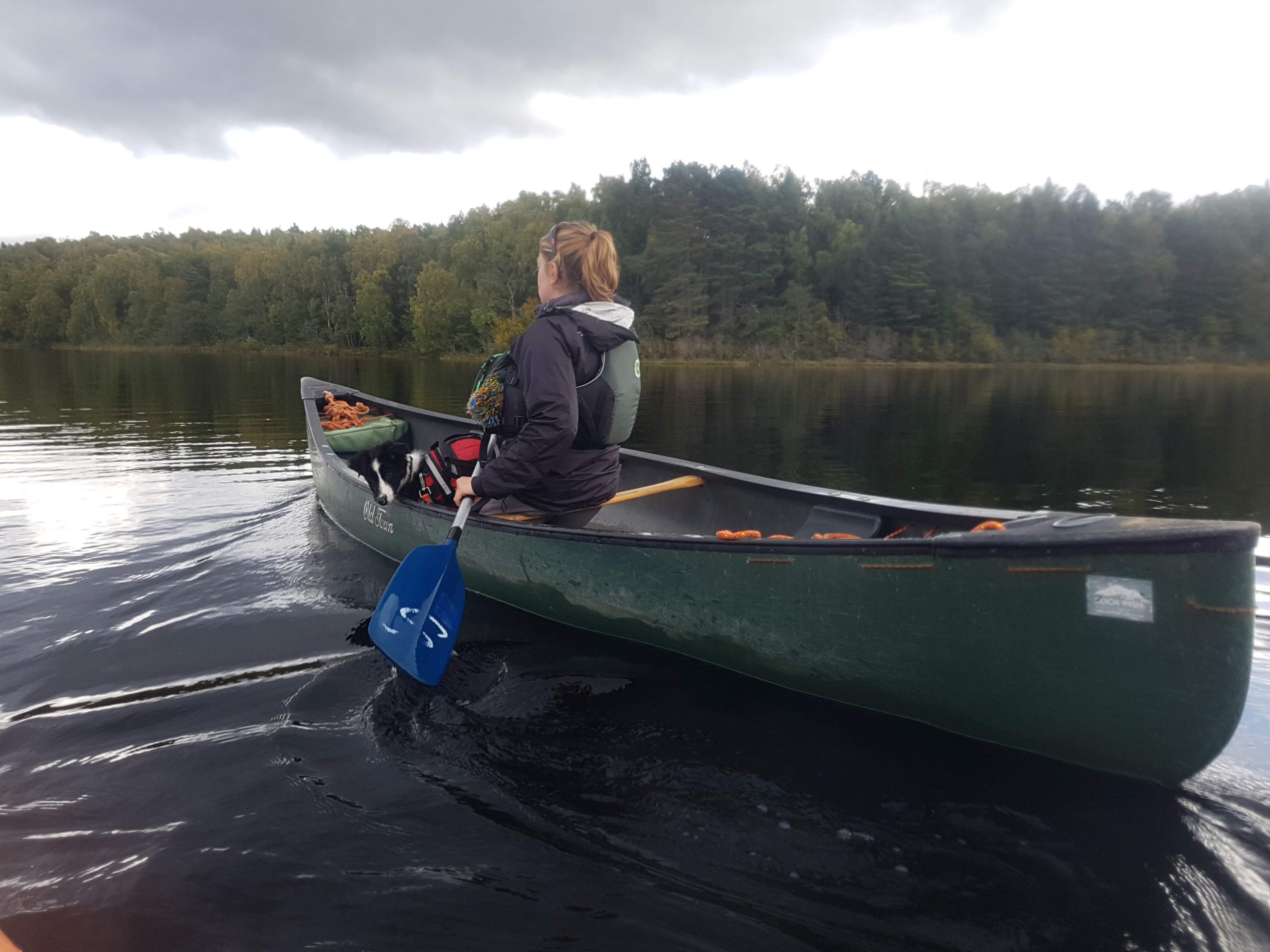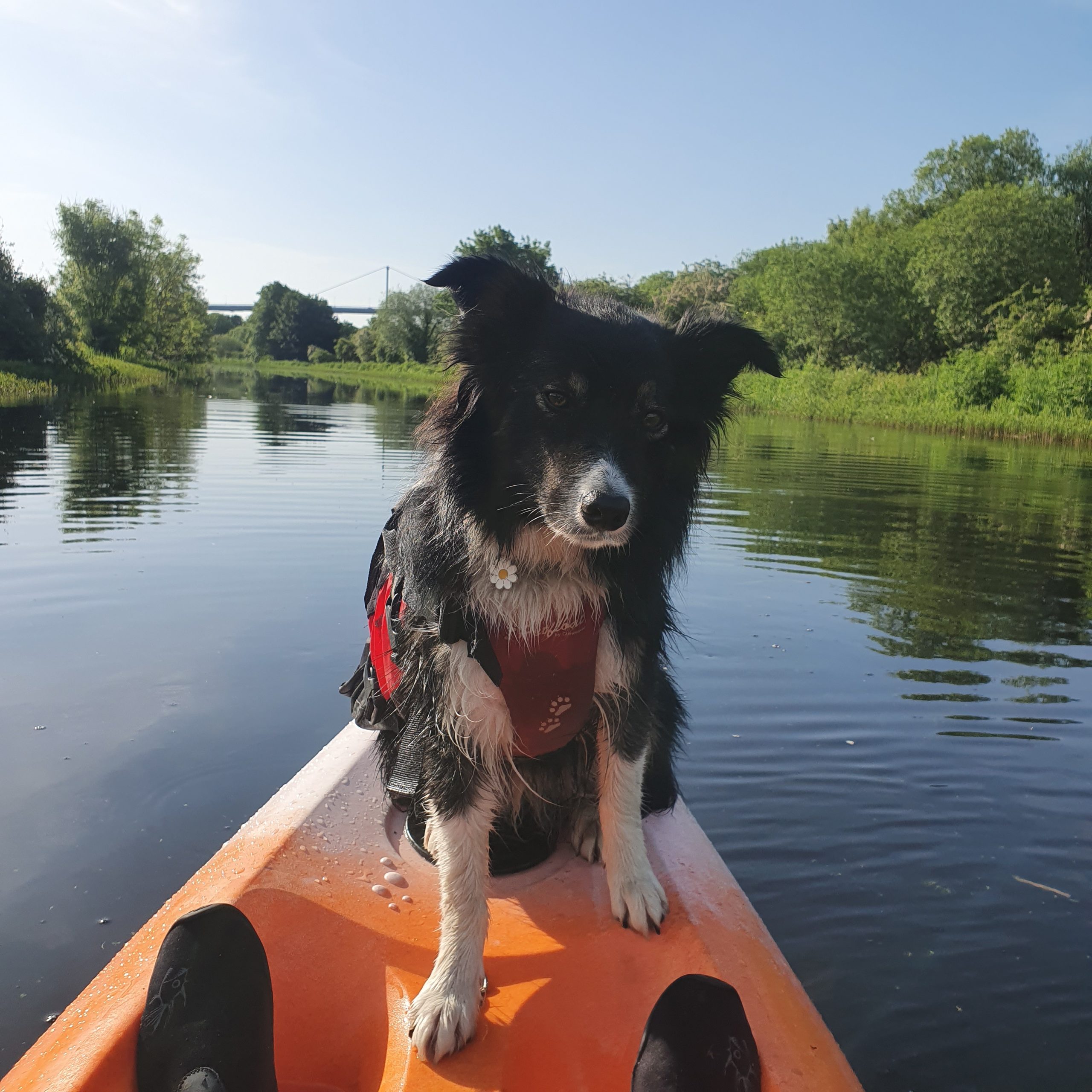
There’s a particular kind of joy in gliding across a still loch with your best friend sat happily in front of you. I see it on people’s faces every season. But I also see the other version, the one where a lovely day out turns into a wet, stressful scramble because nobody did the groundwork first.
The good news? Learning to paddle with your dog is absolutely something you can build towards, step by step. It just takes patience, the right kit, and a calm approach. No winging it.
Here’s how I’d get you started.
Before your dog ever sees a board or a boat, they need to feel confident about the thing itself. I get dogs comfortable with an unstable platform on shore first, so the wobble isn’t a shock. Ten minutes of hopping on and off a beached board, with plenty of treats and praise, does more than an hour of stress out on the water.
Teach a clear cue for getting on and a clear cue for getting off. It sounds like a small thing. It isn’t. A dog who boards calmly on request, rather than launching themselves at the deck, is a dog you can manage when it matters. Reward the calm version every single time and you’ll build a habit that holds up under excitement.
This is exactly the sort of foundation we build in our one to one training sessions, where we can work at your dog’s pace rather than rushing to the fun part.
Two non-negotiables before you go anywhere near the water.
A good canine buoyancy aid does two jobs. It holds your dog level in the water so their head stays clear, and it gives you a solid grab handle for lifting them back aboard. Try hauling a soaking wet labrador onto a board without one and you’ll understand why I insist.
Give your leads, collars and harnesses a proper look-over too. Salt water and winter conditions cause rust and wear faster than you’d think, so I check my kit regularly for fraying, stiff buckles and corroded clips. Rinse everything in fresh water after a sea trip and let it dry properly.
Here’s the rule I never bend: never paddle with a lead attached to your dog on the water. If your dog goes in and the lead snags, you have a serious problem on your hands and very little time to solve it. A reliable recall is your real safety line.
If your dog will come back to you every time on land, in a field, around distractions, then you’ve earned the right to think about the water. Not “usually comes back.” Every time. This is the heart of the REACT framework we teach, and it’s why recall gets so much of our attention early on.
Your first outing wants shallow, sheltered water you can stand up in, with an easy shoreline for getting in and out. Avoid anywhere with current, boat traffic or steep banks. Think about wind direction too, particularly whether it would push you away from shore if you stopped paddling. An offshore breeze turns a small problem into a big one surprisingly fast.
Your first few outings should be short and broken up with lots of breaks on the shore. I’d rather you did three cheerful ten-minute paddles than one long slog that leaves your dog wary of the whole business. Pick calm, warm, settled conditions and always end while your dog is still enjoying it.
Before every trip, run through the R.A.F.T. framework: Recall, Appropriate vessel, Flotation aid, Training. If any of those four isn’t ready, the trip isn’t ready.
Your dog will tell you how they’re finding it, but only if you’re watching. Signs I’d take seriously:
None of these mean your dog will never enjoy paddling. They mean today’s session should be shorter and easier than you planned.
Scotland’s water stays cold most of the year, often sitting in single figures well into summer. Cold water shock is a genuine risk for both of you, so I wear a wetsuit while training even on the warmest days. Think about your dog too: short-haired and lean breeds lose heat quickly, and a wet dog cools fast once they stop moving. Bring towels and a dry coat.
Learning to paddle with your dog is one of the most rewarding things you’ll do together. If you’d like a hand getting started, take a look at our one to one training sessions or just get in touch and we’ll build a session around you and your dog. Why settle for a pet when you can have a partner?
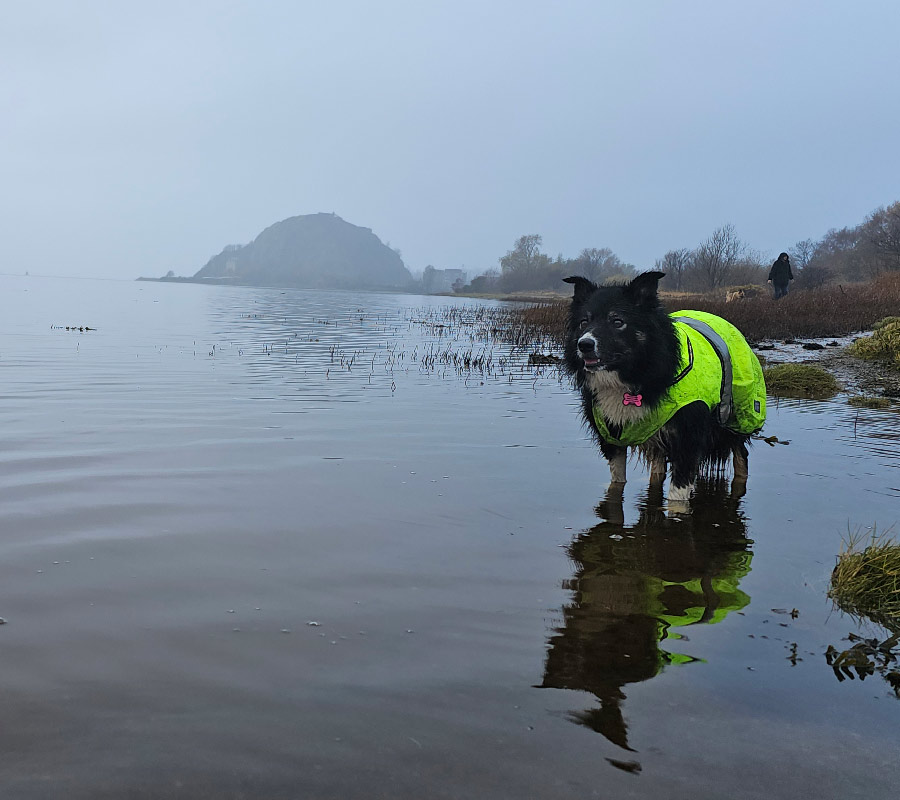
Remember how to REACT to reduce the risk to you and your dog around water