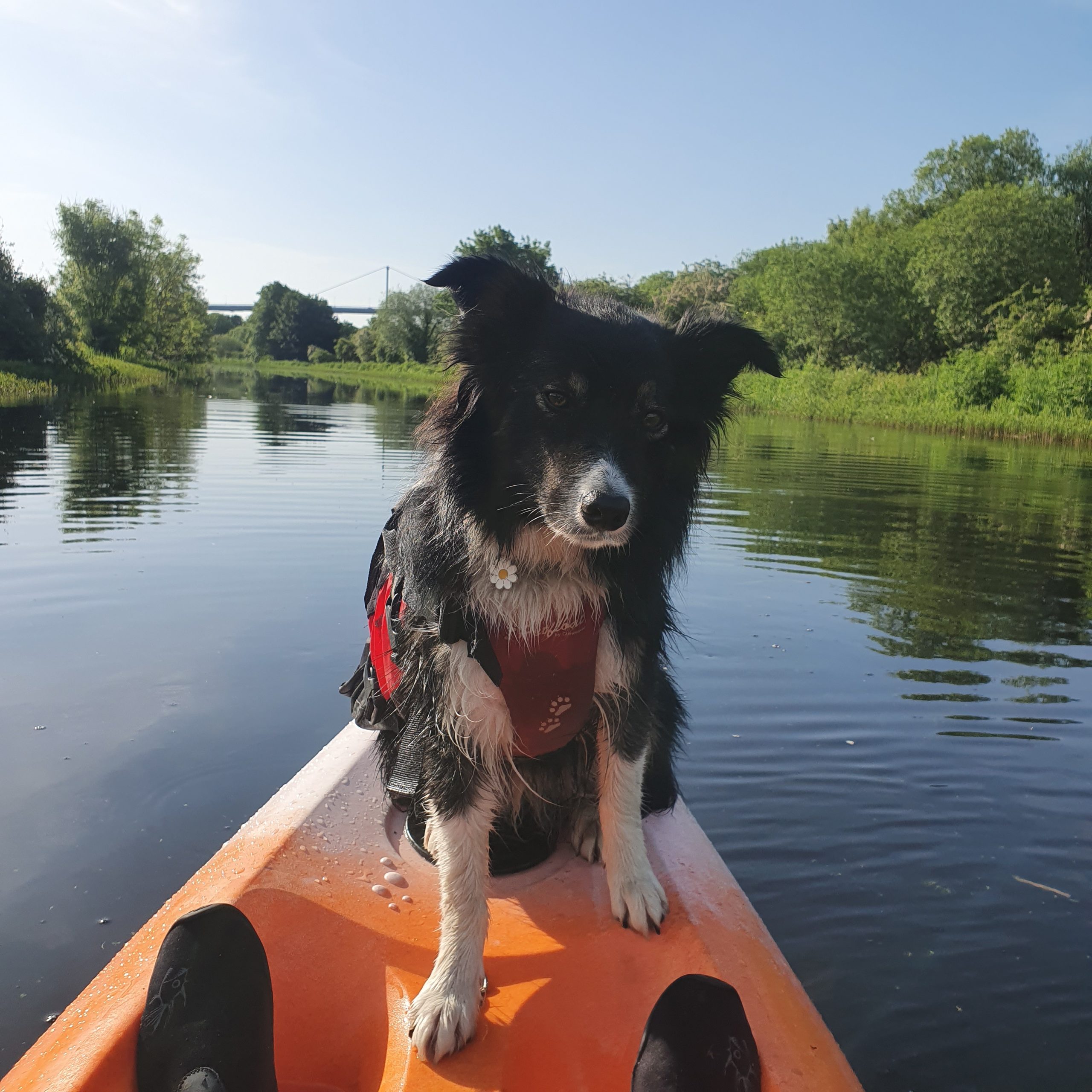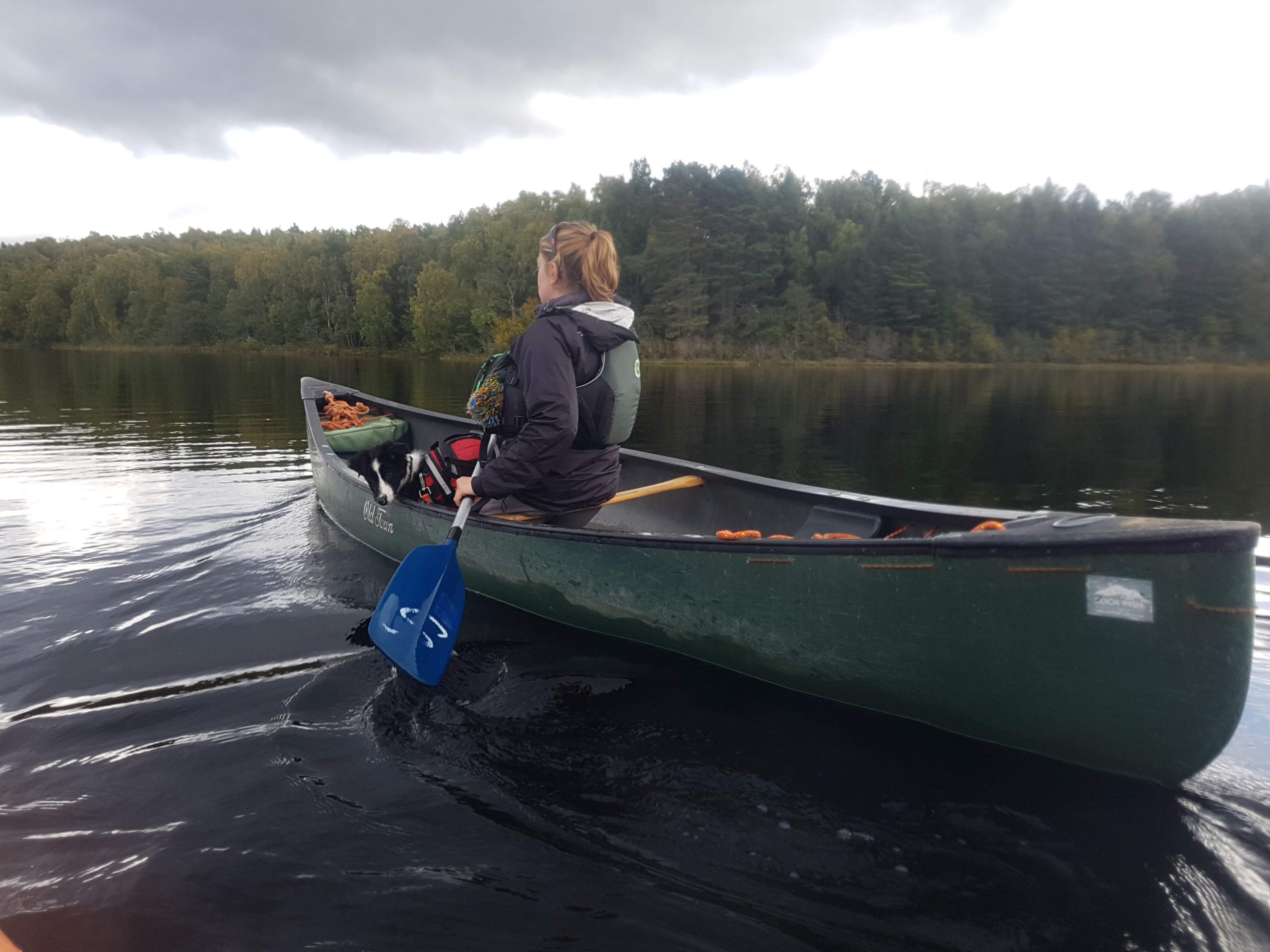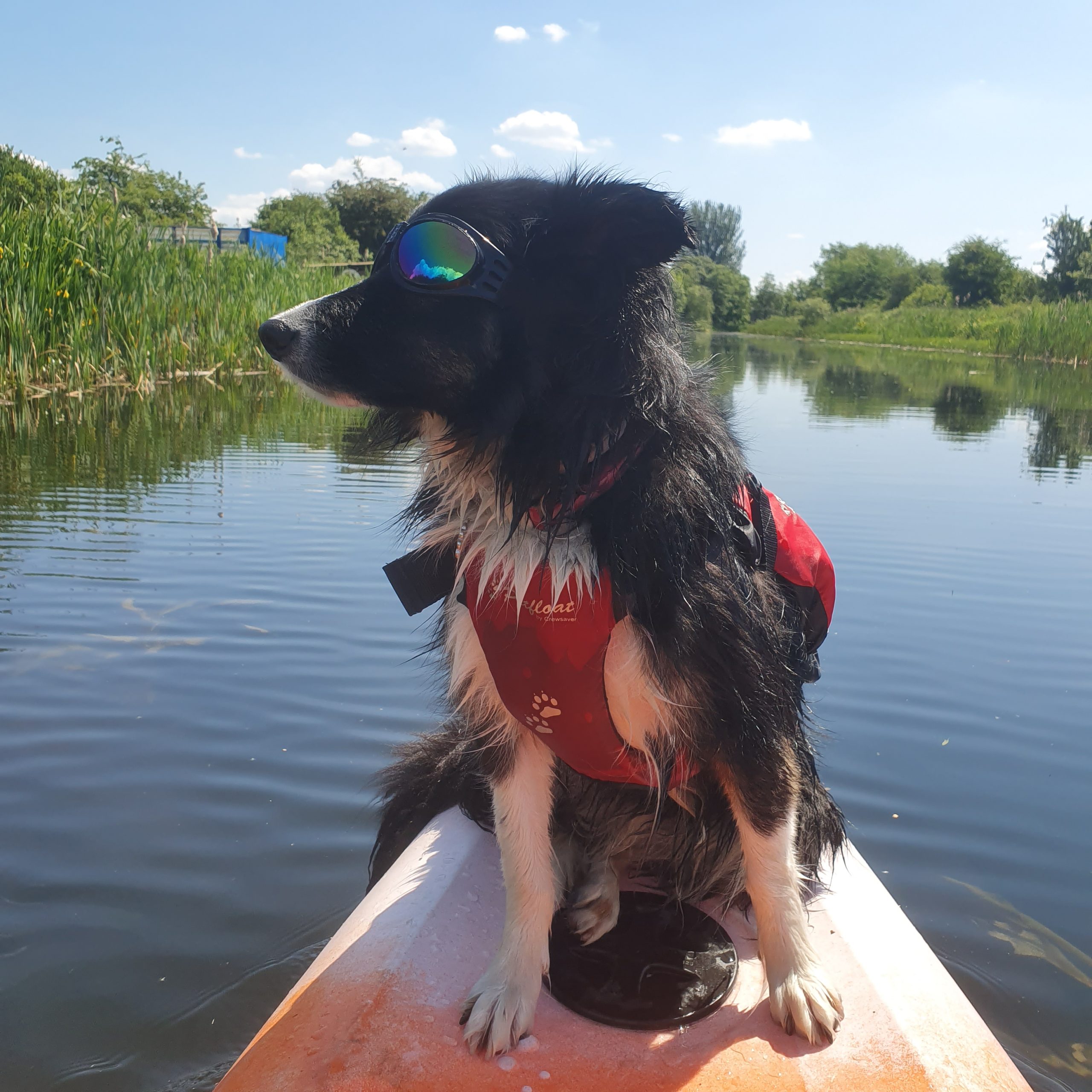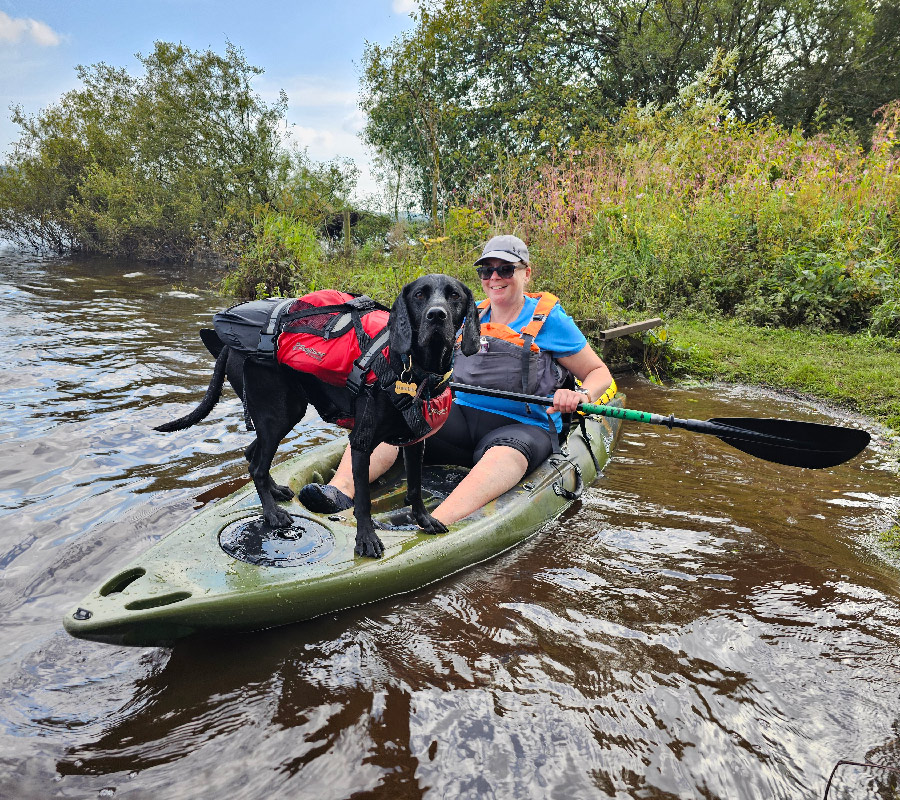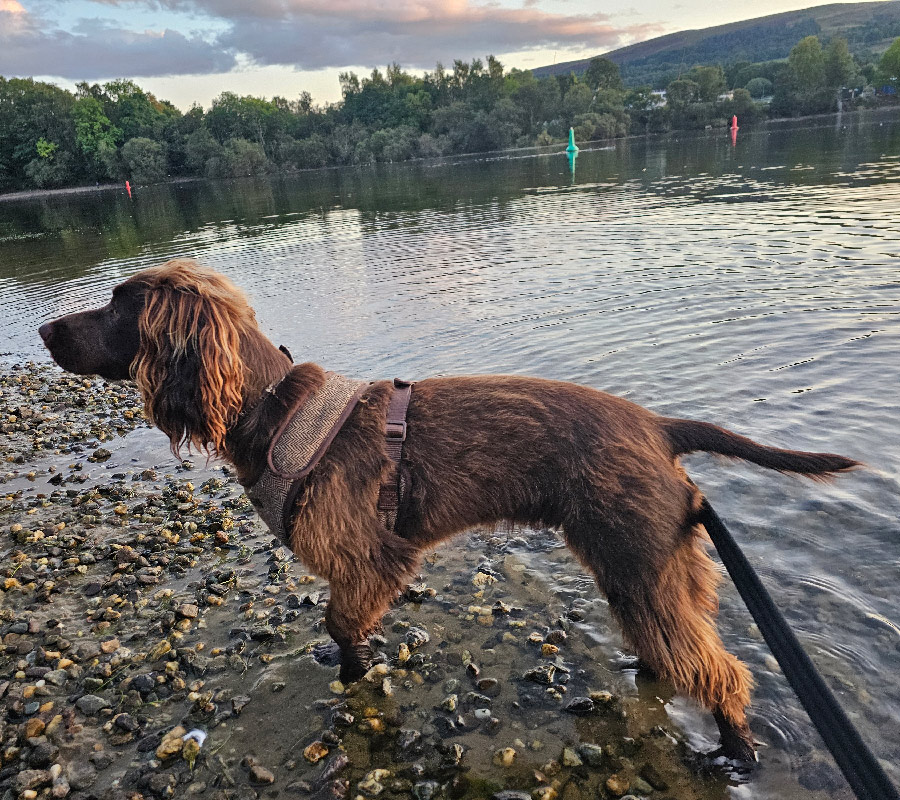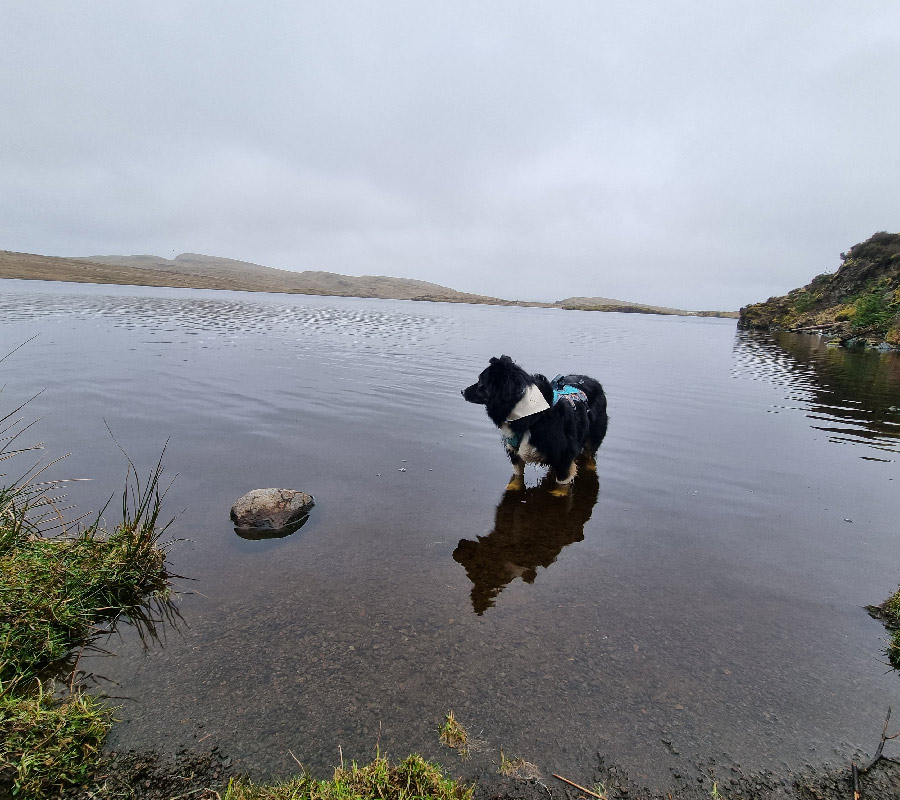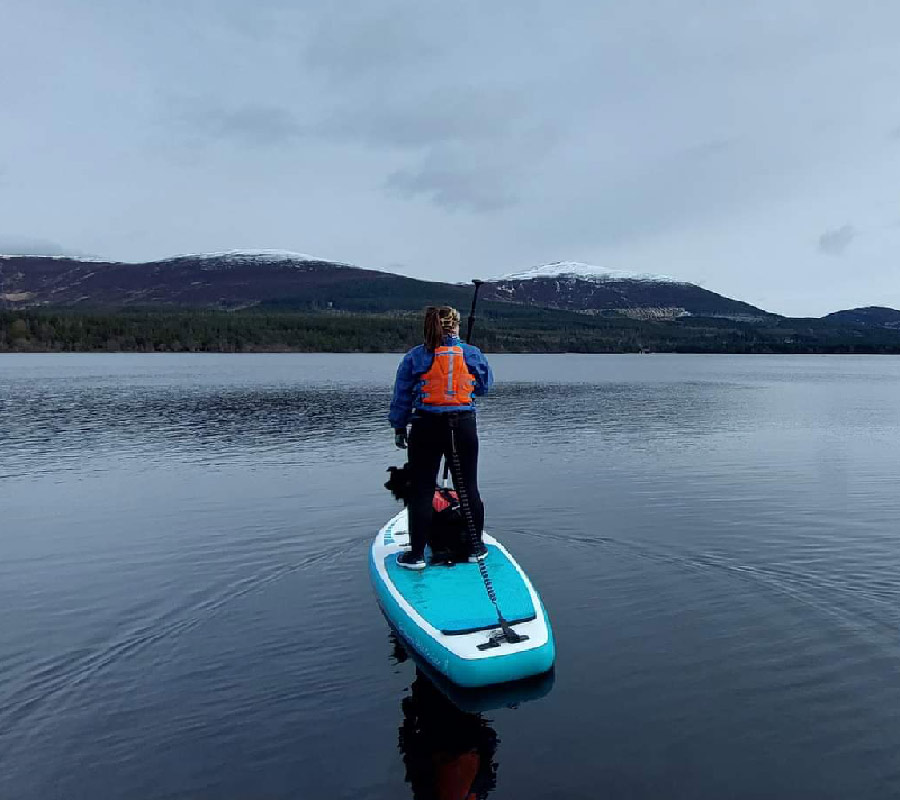
Kayaking with your dog opens up a whole world of quiet bays, hidden shorelines and slow mornings on the water. It’s one of my favourite ways to explore Scotland with a four-legged companion. But a kayak is a different beast to a paddleboard, and getting the first trip right takes a bit of thought.
The vessel matters more here than in almost any other paddlesport. Get that choice wrong and you’re making life hard for both of you before you’ve even launched.
So let’s walk through how I’d prepare you and your pup so that first outing is a happy one.
Not all kayaks suit dogs. This matters more than most people realise.
Whichever you choose, check the weight rating covers you, your dog and your kit comfortably. And be honest about your own skills: you need to be able to safely self-rescue both you and your dog in open water. If you’re not there yet, that’s the first job, not the dog training.
Choosing the right vessel is a key part of the R.A.F.T. framework.
Before you launch, let your dog investigate the kayak on dry ground. Treats on the deck, calm praise for climbing aboard, short sessions of sitting settled while it’s stable. I want the kayak to feel like the most boring, familiar thing in the world before it ever wobbles on water.
Then teach a clear “on” and “off” cue so boarding is calm rather than a scramble. Practise it until it’s dull. Work out where your dog is actually going to sit, too, somewhere they won’t foul your paddle stroke and won’t be knocked by it. A non-slip mat in that spot helps enormously.
We do a lot of this groundwork in our one to one training sessions, because a confident start on land saves so much stress later.
A few things I never skip:
That third point deserves repeating: never kayak with a lead attached to your dog. A trailing lead is a snag and entanglement risk, and around a kayak there’s plenty to snag on. Your recall is the safety line that matters, which is why we train it hard before any trip.
Think through the bits either side of the paddle. How will you get the kayak to the water with a dog in tow? Where will your dog wait while you carry it down? A dog loose on a busy slipway is a problem waiting to happen, so have a plan and a person or a tether point for the shore.
Pick a launch site with a gentle, shallow entry rather than a steep bank or a high pontoon. Getting a dog into a kayak from a jetty is an advanced skill, not a first-trip one.
Your first few outings should be short and broken up with plenty of breaks on the shore. Pick a calm, warm day and sheltered, shallow water. Fifteen minutes with a happy dog beats an hour with a worried one, every time.
Watch your dog for signs of worry or fatigue: a stiff crouch, panting out of proportion to the effort, lip licking, or scanning the shore. End on a high note while they’re still enjoying it. Cold water shock is a genuine risk in Scotland year-round, so I wear a wetsuit and keep sessions well within everyone’s comfort zone.
Running through the REACT checklist before you set off keeps risk front of mind every time.
Kayaking with your dog is a brilliant partnership when it’s built on solid preparation. If you’d like a hand getting your pup water-ready, explore our one to one training sessions or get in touch and we’ll plan that first trip together.